Betamethasone Sodium Phosphate and Betamethasone AcetateInjectable Suspension, USP
For intramuscular use. For intra-articular or soft tissue administration. For intralesional administration.
- “AB” rated to Celestone® Soluspan®1
- Vial closure is not made with natural rubber latex
- J Code 0702
| Pack NDC# | Strength | Supplied as | Shelf pack | Vial opening size | Product info | Availability | ||
|---|---|---|---|---|---|---|---|---|
|
Strength:
6 mg/mL Supplied As:5 mL |
0517-0720-01 |
6 mg/mL |
5 mL |
1 | 13 mm | Product Label Full Prescribing Information Safety Data Sheet | In-Stock Shipping Weekly | |
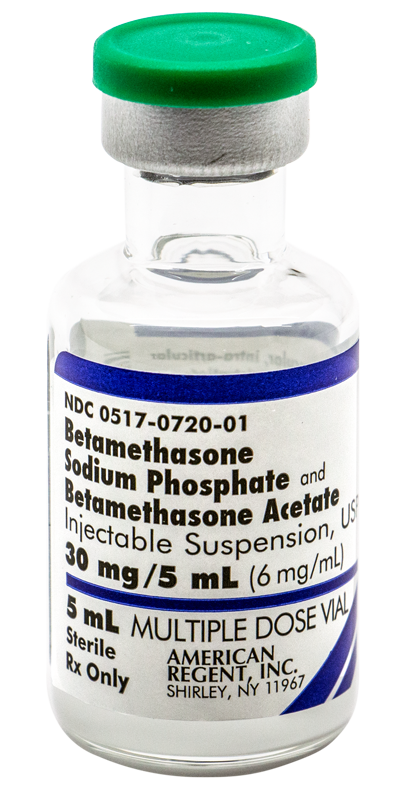
Product Label Full Prescribing Information Safety Data Sheet Preserved with Benzalkonium Chloride Wholesaler Numbers
Case Information
|
||||||||
|
Strength:
6 mg/mL Supplied As:5 mL |
0517-0791-01 |
6 mg/mL |
5 mL |
1 | 13 mm | Product Label Full Prescribing Information Safety Data Sheet | Out of Stock | |
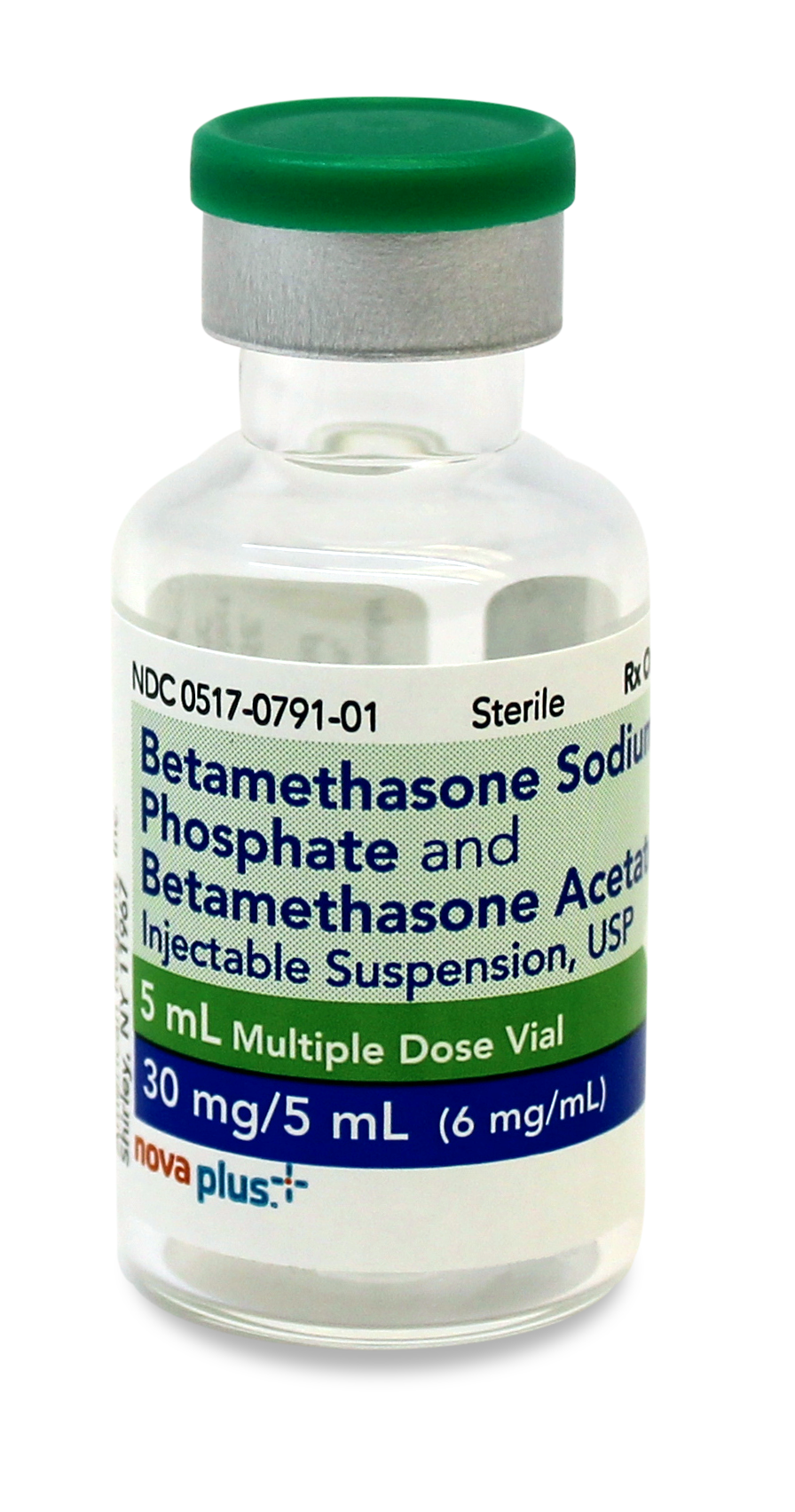
Product Label Full Prescribing Information Safety Data Sheet Preserved with Benzalkonium Chloride NOVAPLUS Wholesaler Numbers
Case Information
|
||||||||
|
Strength:
6 mg/mL Supplied As:5 mL |
0517-0799-01 |
6 mg/mL |
5 mL |
1 | 13 mm | Product Label Prescribing Information Safety Data Sheet | Out of Stock | |
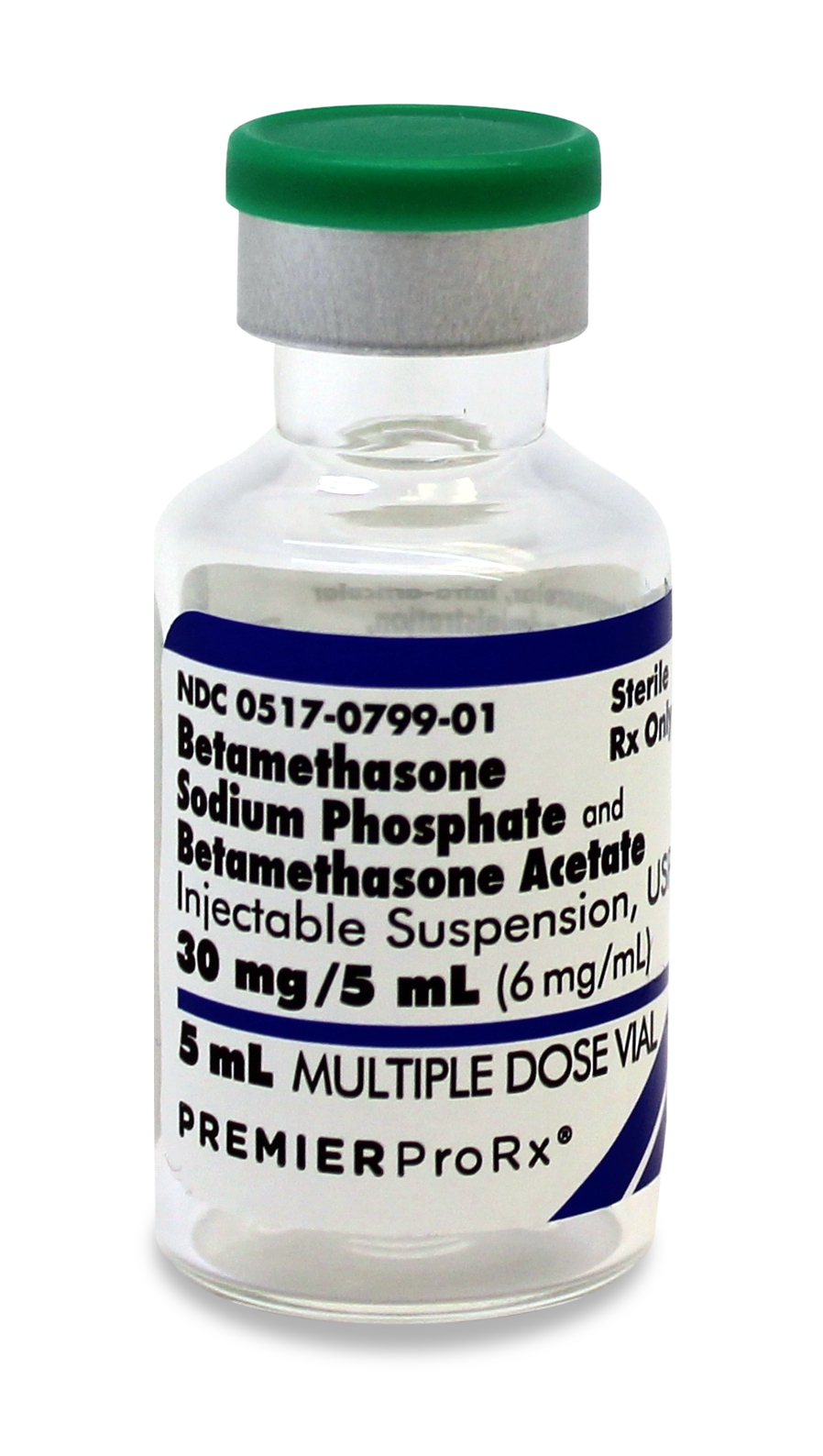
Preserved with Benzalkonium Chloride PremierPro Rx Wholesaler Numbers
Case Information
|
||||||||
All trademarks are the property of their respective owners.
REFERENCE:
1. Orange Book: Approved Drug Products with Therapeutic Equivalence Evaluations. US Food & Drug Administration. Accessed July 7, 2026. https://www.accessdata.fda.gov/scripts/cder/ob/results_product.cfm?Appl_Type=A&Appl_No=090747#31170
Contact Us
By clicking Submit, you confirm that you accept our Privacy Policy and that you agree to your personal contact information being used to contact you and added to our database. If at any time you wish your personal information to be removed from the American Regent® database, please submit a message request to corpcommunications@americanregent.com.
CONTRAINDICATIONS
Betamethasone Sodium Phosphate and Betamethasone Acetate Injectable Suspension is contraindicated in patients who are hypersensitive to any components of this product. Intramuscular corticosteroid preparations are contraindicated for idiopathic thrombocytopenic purpura.
WARNINGS
Betamethasone Sodium Phosphate and Betamethasone Acetate Injectable Suspension should not be administered intravenously.
Serious Neurologic Adverse Reactions With Epidural Administration: Serious neurologic events, some resulting in death, have been reported with epidural injection of corticosteroids. Specific events reported include, but are not limited to, spinal cord infarction, paraplegia, quadriplegia, cortical blindness, and stroke.
General: Rare instances of anaphylactoid/anaphylactic reactions with a possibility of shock have occurred in patients receiving parenteral corticosteroid therapy. Use caution in patients who have a history of allergic reactions to corticosteroids.
Cardio-renal: Average and large doses of corticosteroids can cause elevation of blood pressure, salt and water retention, and increased excretion of potassium. Literature reports suggest an apparent association between use of corticosteroids and left ventricular free wall rupture after a recent myocardial infarction; therefore, therapy with corticosteroids should be used with great caution in these patients.
There have been cases reported in which concomitant use of amphotericin B and hydrocortisone was followed by cardiac enlargement and congestive heart failure.
Endocrine: Corticosteroids can produce reversible hypothalamic pituitary adrenal axis suppression with the potential for glucocorticosteroid insufficiency after withdrawal of treatment. Metabolic clearance of corticosteroids is decreased in hypothyroid patients and increased in hyperthyroid patients.
Pheochromocytoma crisis, which may be fatal, has been reported after administration of systemic corticosteroids, including betamethasone. In patients with suspected or identified pheochromocytoma, consider the risks of pheochromocytoma crisis prior to administering corticosteroids.
Immunosuppression and Increased Risk of Infection
Corticosteroids, including Betamethasone Sodium Phosphate and Betamethasone Acetate Injectable Suspension, suppress the immune system and increase the risk of infection with any pathogen, including viral, bacterial, fungal, protozoan, or helminthic pathogens.
Corticosteroids can:
- Reduce resistance to new infections
- Exacerbate existing infections
- Increase the risk of disseminated infections
- Increase the risk of reactivation or exacerbation of latent infections
- Mask some signs of infection
Corticosteroid-associated infections can be mild but can be severe and at times fatal. The rate of infectious complications increases with increasing corticosteroid dosages.
Monitor for the development of infection and consider Betamethasone Sodium Phosphate and Betamethasone Acetate Injectable Suspension withdrawal or dosage reduction as needed.
Do not administer Betamethasone Sodium Phosphate and Betamethasone Acetate Injectable Suspension by an intraarticular, intrabursal, intratendinous or intralesional route in the presence of acute local infection.
In cases of latent or resolved infections or exposure to them such as Tuberculosis, Variccella Zozter, Measles, Hepatitis B, Fungal Infections, Amebiasis, Stronglyloides, Cerebral Malaria: If Betamethasone Sodium Phosphate and Betamethasone Acetate Injectable suspension is used to treat a condition in patients with latent infection or reactivity, reactivation of the disease may occur. During prolonged Betamethasone Sodium Phosphate and Betamethasone Acetate Injectable Suspension therapy, patients should receive prophylaxis for some of these conditions. For exposure to certain infections and for those who are non-immune, care should be taken to avoid exposure. Refer to full Prescribing Information.
Screen patients for hepatitis B infection before initiating immunosuppressive (e.g., prolonged) treatment with Betamethasone Sodium Phosphate and Betamethasone Acetate Injectable Suspension. For patients who show evidence of hepatitis B infection, recommend consultation with physicians with expertise in managing hepatitis B regarding monitoring and consideration for hepatitis B antiviral therapy.
Vaccination
Administration of live or live, attenuated vaccines is contraindicated in patients receiving immunosuppressive doses of corticosteroids. Killed or inactivated vaccines may be administered. However, the response to such vaccines cannot be predicted.
Neurologic: Reports of severe medical events have been associated with the intrathecal route of administration.
Ophthalmic: Use of corticosteroids may produce posterior subcapsular cataracts, increased intraocular pressure, and glaucoma with possible damage to the optic nerves, and may enhance the establishment of secondary ocular infections due to bacteria, fungi, or viruses.
Kaposi’s Sarcoma
Kaposi’s sarcoma has been reported to occur in patients receiving corticosteroid therapy, most often for chronic conditions. Discontinuation of corticosteroids may result in clinical improvement of Kaposi’s sarcoma.
PRECAUTIONS
General: The lowest possible dose of corticosteroid should be used to control the condition under treatment. Since complications of treatment with glucocorticoids are dependent on the size of the dose and the duration of treatment, a risk/benefit decision must be made in each individual case as to dose and duration of treatment.
Cardio-renal: As sodium retention with resultant edema and potassium loss may occur in patients receiving corticosteroids, these agents should be used with caution in patients with congestive heart failure, hypertension, or renal insufficiency.
Endocrine: Drug-induced secondary adrenocortical insufficiency may be minimized by gradual reduction of dosage. This type of relative insufficiency may persist for months after discontinuation of therapy.
Gastrointestinal: Steroids should be used with caution in active or latent peptic ulcers, diverticulitis, fresh intestinal anastomoses, and nonspecific ulcerative colitis, since they may increase the risk of a perforation. There is an enhanced effect of corticosteroids in patients with cirrhosis.
Intra-Articular and Soft Tissue Administration: Intra-articular injected corticosteroids may be systemically absorbed. Appropriate examination of any joint fluid present is necessary to exclude a septic process. Injection of a steroid into an infected site is to be avoided. Local injection of a steroid into a previously injected joint or into unstable joints is generally not recommended. Intra-articular injection may result in damage to joint tissues.
Musculoskeletal: Corticosteroids decrease bone formation and increase bone resorption both through their effect on calcium regulation and inhibition of osteoblast function. This, together with a decrease in the protein matrixcar of the bone secondary to an increase in protein catabolism, and reduced sex hormone production, may lead to inhibition of bone growth in pediatric patients and the development of osteoporosis at any age.
Neuro-psychiatric: Acute myopathy has been observed with the use of high doses of corticosteroids. Psychic derangements may appear or be aggravated by corticosteroids.
Drug Interactions: There are numerous potential drug interactions. Refer to full Prescribing Information.
Pregnancy:
Teratogenic Effects: Corticosteroids have been shown to be teratogenic in many species. Corticosteroids should be used during pregnancy only if the potential benefit justifies the potential risk to the fetus. Infants born to mothers who have received corticosteroids during pregnancy should be carefully observed for signs of hypoadrenalism.
Nursing Mothers: Systemically administered corticosteroids appear in human milk and could suppress growth, interfere with endogenous corticosteroid production, or cause other untoward effects. Use caution when corticosteroids are administered to a nursing woman.
Pediatric Patients: In order to minimize the potential growth effects of corticosteroids, pediatric patients should be titrated to the lowest effective dose.
Neonatal hypoglycemia has been reported after antenatal administration, especially in preterm, low birth weight infants, and when betamethasone is administered close to the time of delivery.
ADVERSE REACTIONS
Allergic Reactions: Anaphylactoid reaction, anaphylaxis, angioedema.
Cardiovascular: Bradycardia, cardiac arrest, cardiac arrhythmias, cardiac enlargement, circulatory collapse, congestive heart failure, fat embolism, hypertension, hypertrophic cardiomyopathy in premature infants, myocardial rupture following recent myocardial infarction, pulmonary edema, syncope, tachycardia, thromboembolism, thrombophlebitis, vasculitis.
Dermatologic: Acne, allergic dermatitis, cutaneous and subcutaneous atrophy, dry scaly skin, ecchymoses and petechiae, edema, erythema, hyperpigmentation, hypopigmentation, impaired wound healing, increased sweating, rash, sterile abscess, striae, suppressed reactions to skin tests, thin fragile skin, thinning scalp hair, urticaria.
Endocrine: Decreased carbohydrate and glucose tolerance, development of cushingoid state, glucosuria, hirsutism, hypertrichosis, increased requirements for insulin or oral hypoglycemic adrenocortical and pituitary unresponsiveness, suppression of growth in pediatric patients.
Fluid and Electrolyte Disturbances: Congestive heart failure in susceptible patients, fluid retention, hypokalemic alkalosis, potassium loss, sodium retention.
Gastrointestinal: Abdominal distention, bowel/bladder dysfunction (after intrathecal administration), elevation in serum liver enzyme levels, hepatomegaly, increased appetite, nausea, pancreatitis, peptic ulcer with possible perforation and hemorrhage, perforation of the small and large intestines (particularly in patients with inflammatory bowel disease), ulcerative esophagitis.
Metabolic: Negative nitrogen balance due to protein catabolism.
Musculoskeletal: Aseptic necrosis of femoral and humeral heads, calcinosis (following intra-articular or intralesional use), Charcot-like arthropathy, loss of muscle mass, muscle weakness, osteoporosis, pathologic fracture of long bones, postinjection flare (following intra-articular use), steroid myopathy, tendon rupture, vertebral compression fractures.
Neurologic/Psychiatric: Convulsions, depression, emotional instability, euphoria, headache, increased intracranial pressure with papilledema (pseudotumor cerebri) usually following discontinuation of treatment, insomnia, mood swings, neuritis, neuropathy, paresthesia, personality changes, psychic disorders, vertigo. Arachnoiditis, meningitis, paraparesis/paraplegia, and sensory disturbances have occurred after intrathecal administration.
Ophthalmic: Exophthalmos, glaucoma, increased intraocular pressure, posterior subcapsular cataracts, rare instances of blindness associated with periocular injections, vision blurred.
Other: Abnormal fat deposits, decreased resistance to infection, hiccups, increased or decreased motility and number of spermatozoa, malaise, moon face, weight gain.
INDICATIONS AND USAGE
When oral therapy is not feasible, the intramuscular use of Betamethasone Sodium Phosphate and Betamethasone Acetate Injectable Suspension is indicated as follows:
Allergic States
Control of severe or incapacitating allergic conditions intractable to adequate trials of conventional treatment in asthma, atopic dermatitis, contact dermatitis, drug hypersensitivity reactions, perennial or seasonal allergic rhinitis, serum sickness, transfusion reactions.
Dermatologic Diseases
Bullous dermatitis herpetiformis, exfoliative erythroderma, mycosis fungoides, pemphigus, severe erythema multiforme (Stevens-Johnson syndrome).
Endocrine Disorders
Congenital adrenal hyperplasia, hypercalcemia associated with cancer, nonsuppurative thyroiditis: Hydrocortisone or cortisone is the drug of choice in primary or secondary adrenocortical insufficiency. Synthetic analogs may be used in conjunction with mineralocorticoids where applicable; in infancy, mineralocorticoid supplementation is of particular importance.
Gastrointestinal Diseases
To tide the patient over a critical period of the disease in regional enteritis and ulcerative colitis.
Hematologic Disorders
Acquired (autoimmune) hemolytic anemia, Diamond-Blackfan anemia, pure red cell aplasia, selected cases of secondary thrombocytopenia.
Miscellaneous
Trichinosis with neurologic or myocardial involvement, tuberculous meningitis with subarachnoid block or impending block when used with appropriate antituberculous chemotherapy.
Neoplastic Diseases
For palliative management of leukemias and lymphomas.
Nervous System
Acute exacerbations of multiple sclerosis, cerebral edema associated with primary or metastatic brain tumor or craniotomy.
Ophthalmic Diseases
Sympathetic ophthalmia, temporal arteritis, uveitis, and ocular inflammatory conditions unresponsive to topical corticosteroids.
Renal Diseases
To induce diuresis or remission of proteinuria in idiopathic nephrotic syndrome or that due to lupus erythematosus.
Respiratory Diseases
Berylliosis, fulminating or disseminated pulmonary tuberculosis when used concurrently with appropriate antituberculous chemotherapy, idiopathic eosinophilic pneumonias, symptomatic sarcoidosis.
Rheumatic Disorders
As adjunctive therapy for short-term administration (to tide the patient over an acute episode or exacerbation) in acute gouty arthritis, acute rheumatic carditis, ankylosing spondylitis, psoriatic arthritis, and rheumatoid arthritis, including juvenile rheumatoid arthritis (selected cases may require low-dose maintenance therapy). For the treatment of dermatomyositis, polymyositis, and systemic lupus erythematosus.
The intra-articular or soft tissue administration of Betamethasone Sodium Phosphate and Betamethasone Acetate Injectable Suspension is indicated as adjunctive therapy for short-term administration in acute gouty arthritis, acute and subacute bursitis, acute nonspecific tenosynovitis, epicondylitis, rheumatoid arthritis, and synovitis of osteoarthritis.
The intralesional administration of Betamethasone Sodium Phosphate and Betamethasone Acetate Injectable Suspension is indicated for alopecia areata; discoid lupus erythematosus; keloids; localized hypertrophic, infiltrated, inflammatory lesions of granuloma annulare, lichen planus, lichen simplex chronicus (neurodermatitis), and psoriatic plaques; necrobiosis lipoidica diabeticorum.
Betamethasone Sodium Phosphate and Betamethasone Acetate Injectable Suspension may also be useful in cystic tumors of an aponeurosis or tendon (ganglia).
For additional Safety Information, please see Full Prescribing Information.
You are encouraged to report adverse drug events to American Regent, Inc. at 1-800-734-9236 or to the FDA by visiting www.fda.gov/medwatch or calling 1-800-FDA-1088.
REF-0188 (v6.0) 8/2024